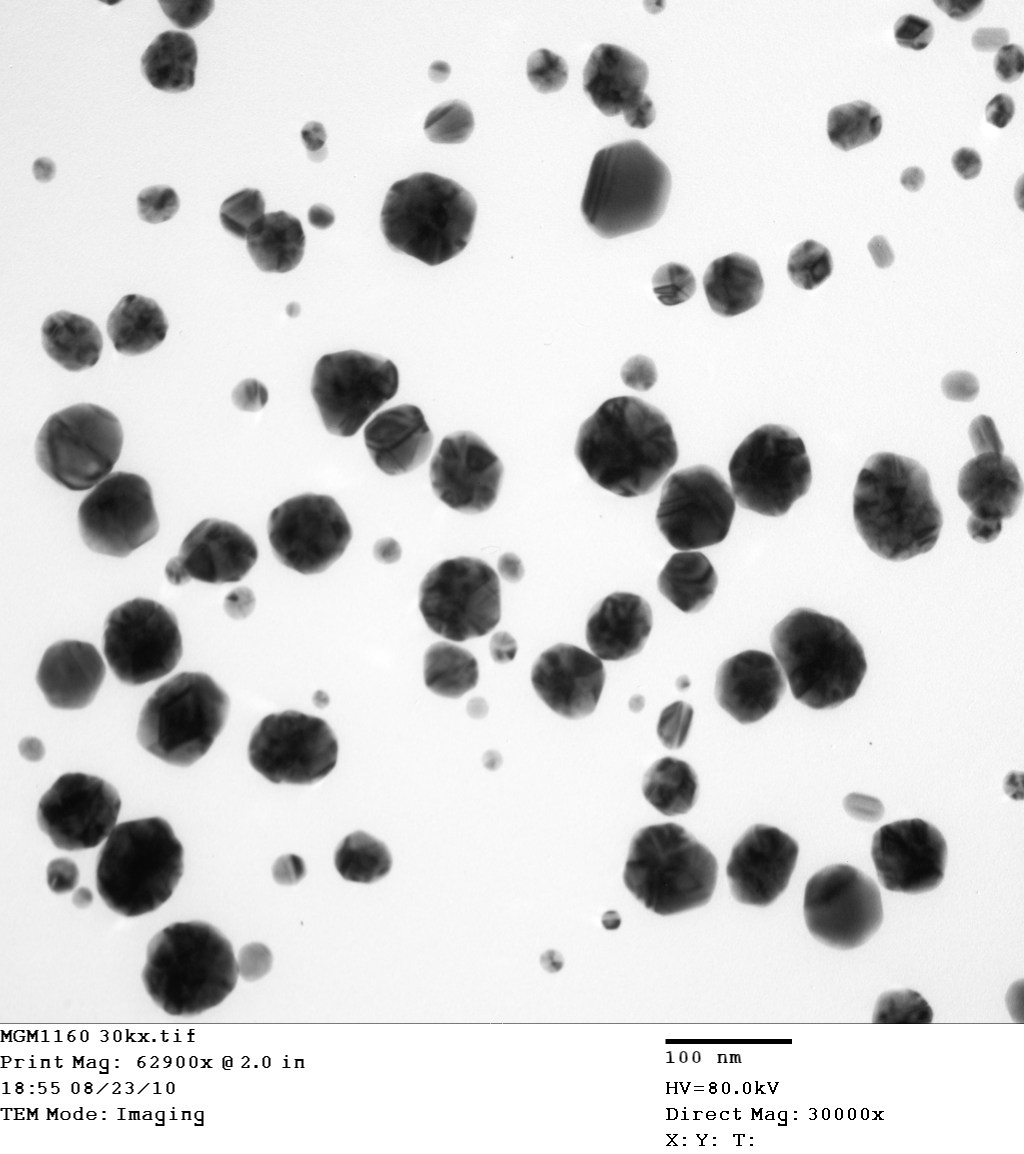
There is something quietly ironic about the fact that the same properties making nanoparticles so useful in medicine — their tiny size, enormous surface area, and ability to slip through biological barriers — are precisely what make them worth worrying about.
This is the territory of nanotoxicology: the study of what happens when engineered nanoparticles interact with living systems in ways we didn’t fully anticipate or intend.
It is, to put it mildly, a field with a lot of ground to cover.
Why Size Changes Everything
Nanoparticles are defined by being smaller than 100 nanometres across — roughly a thousand times thinner than a sheet of paper. At that scale, materials behave differently. A particle of titanium dioxide that sits harmlessly on the surface of your skin as a bulk powder may behave very differently when engineered at nanoscale, absorbed through the skin, and distributed through biological tissue.
Studies in mice and rats have shown that titanium dioxide nanoparticles, when accumulated via oral exposure or inhalation, are distributed to the lungs, liver, spleen, kidneys, and cardiac muscle — and can disturb glucose and lipid homeostasis. The mechanism appears to centre on oxidative stress: TiO₂ nanoparticles can induce inflammation through oxidative stress and may have genotoxic effects including chromosomal instability. PubMed CentralPubMed
Silver nanoparticles — popular in antibacterial textiles, wound dressings, and until recently, cosmetics — present their own complexity. Research has found that toxicity varies markedly depending on particle size; silver nanoparticles of 10 nm diameter showed fatal toxicity in mice, unlike those at 60 or 100 nm. Size is not just a measurement. It is a variable. Springer
This is worth sitting with. Two particles made of the same material can have meaningfully different safety profiles based on dimensions you cannot see with the naked eye.
The Regulatory Response: Europe Moves First
For years, the honest answer to “are nanoparticles in consumer products regulated?” was: somewhat, inconsistently, and not always specifically.
That is beginning to change — at least in Europe. The European Union introduced Regulation (EU) 2024/858 in March 2024, significantly updating rules on nanomaterials in cosmetics and introducing bans on specific nanoforms including silver, gold, copper, and platinum. From February 2025, products containing the newly prohibited nanomaterials could no longer be placed on the EU market. Twelve nanomaterial ingredients were added to the prohibited list, with hydroxyapatite (nano) — used in some toothpastes — facing new concentration restrictions. Earth911Cosmewax
The FDA, by contrast, has issued guidance documents for specific categories including cosmetics, drugs, and food applications, but these are not legally binding requirements. The gap in stringency between the US and EU approaches is noticeable and, for consumers, worth knowing about. Earth911
The Nuance That Gets Lost
The temptation with a topic like this is to either panic entirely or dismiss the concern as scaremongering. Neither is particularly useful.
The nanomaterial market is projected to reach $15.9 billion by 2026, which means the pressure to assess safety is not decreasing. And yet nanotoxicology research has been hampered for years by a lack of standardised models and characterisation tools — making it genuinely difficult to compare findings across studies. PubMed Central
What the science does agree on is that blanket statements about nanoparticle safety — in either direction — are almost always wrong. Toxicity depends on size, shape, chemical composition, surface charge, dose, exposure route, and duration. A nanoparticle used in a targeted cancer therapy at a controlled dose is a very different proposition from the same material leaching into wastewater from industrial production.
The question was never “are nanoparticles safe?” It was always “which ones, at what size, in what context, and for how long?” That question is finally getting the regulatory infrastructure it deserves.
Sources
- Nanotoxicology: Developments and New Insights — PMC/Nanomedicine, published 2025. https://pmc.ncbi.nlm.nih.gov/articles/PMC11731054/
- Commission Regulation (EU) 2024/858 on nanomaterials in cosmetics — Official Journal of the EU, March 2024. https://coslaw.eu/new-ban-and-restrictions-for-certain-nanomaterials-for-use-in-cosmetics/
- Oral Toxicological Study of TiO₂ Nanoparticles in Rats — Particle and Fibre Toxicology, 2023. https://link.springer.com/article/10.1186/s12989-023-00533-x
- Nanomaterials in Consumer Products: Miracle or Menace? — Earth911, July 2025. https://earth911.com/earth-watch/nanomaterials-in-consumer-products-miracle-or-menace/
- NTRC Marks 20 Years of Studying Nanotoxicology — NIOSH/CDC Blog, September 2024. https://blogs.cdc.gov/niosh-science-blog/2024/09/10/nano_20_nanotoxicology/

