This is where I work through nanomedicine in writing. Some posts explain a concept as clearly as I can manage; some are notes on papers I’ve read; some are reflections on what I’m learning and where I keep getting stuck. The aim is clarity, not authority; if a sentence sounds impressive but means nothing, it shouldn’t be here.
-
Nanoscience, and the Future of Sustainable Textiles
There is something quietly embarrassing about the textile industry. We have spent decades engineering clothes that perform brilliantly — stretch, wick, insulate, repel — and then promptly become very difficult to get rid of.…
-
An AI That Reads Brain Tumour Slides Better Than Specialists — In 12 Minutes
Brain tumour diagnosis has always been one of medicine’s more unforgiving bottlenecks. You have a patient, a tissue sample, and a question that needs answering as quickly as possible: what exactly is this, and…
-
Nanobots That Swim on Wee: A New Approach to Bladder Cancer
Researchers have used self-propelling, radioactive nanoparticles to shrink bladder tumours by 90% in mice — and the secret ingredient is urine. Bladder cancer doesn’t get much cultural airtime. It lacks the narrative weight of…
-
The Bio-Inspired Shift (Exosomes vs. Liposomes)
In late 2020, lipid nanoparticles became the most famous delivery vehicle in the history of medicine. The mRNA COVID-19 vaccines — Pfizer-BioNTech and Moderna — worked in part because tiny synthetic lipid spheres could…
-
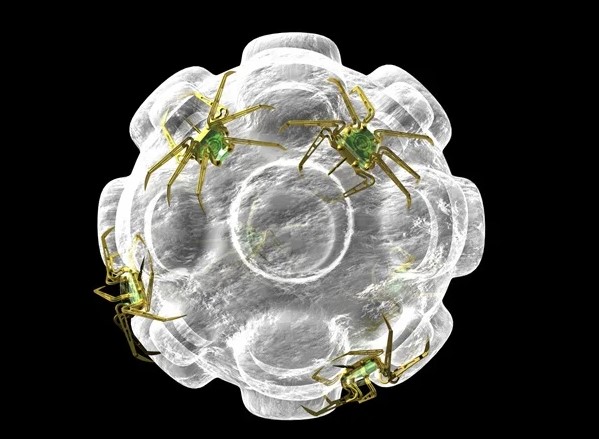
Using AI to Test Nanomedicine
How a virtual rodent is quietly reshaping how we test nanomedicine. Before a new drug can reach a patient, it has to survive a lengthy and often sobering gauntlet: laboratory testing, animal studies, clinical…
-
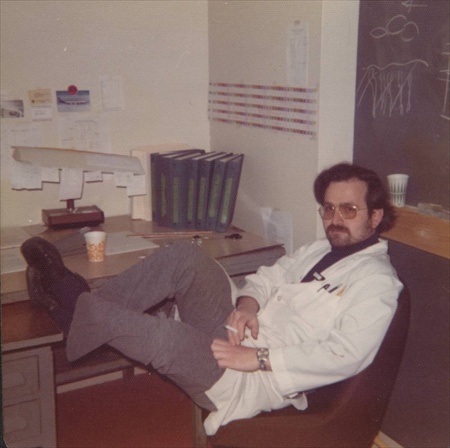
The nanoScientist Who Thinks Like a Musician: Nicholas Peppas
On a Saturday evening in 1967, a teenage boy in Greece was watching the ten o’clock news when the presenter announced that a surgeon named Christiaan Barnard had, in Cape Town, cut the heart…
-
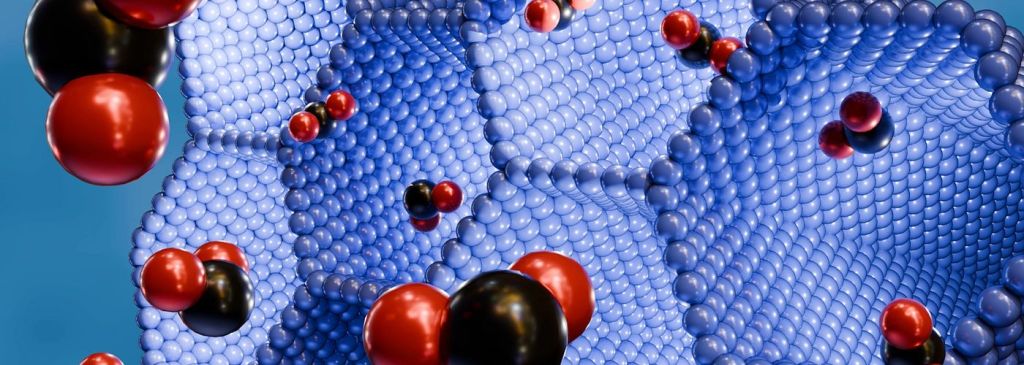
Nanoparticles Quietly Rethinking Organ Preservation
There’s an unglamorous detail sitting at the centre of organ transplantation that most people never think about: once a kidney or liver leaves the body, it travels in a plastic cooler, suspended in saline…
-
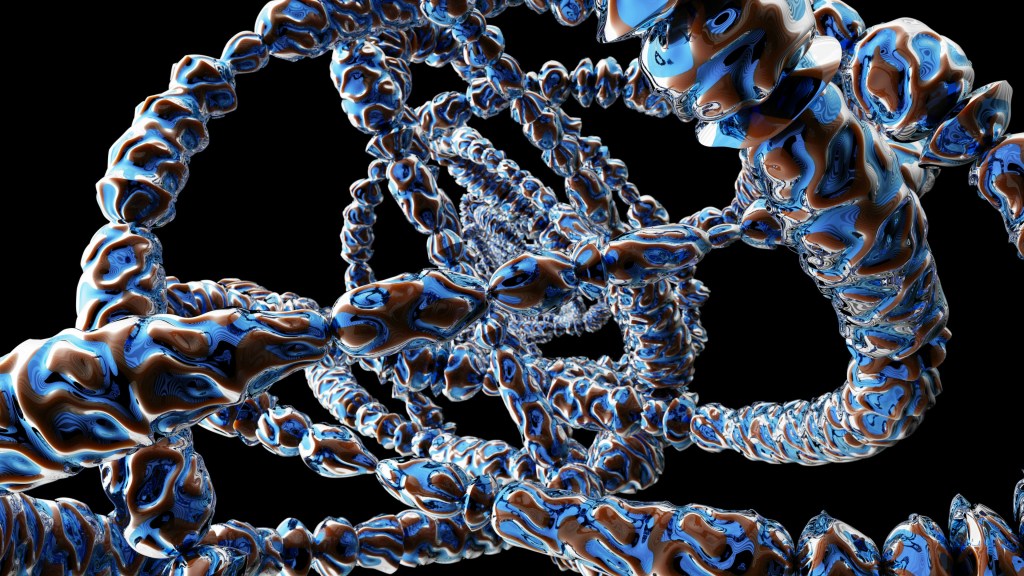
How Nanowires Are Making Liquid Biopsies Smarter
The premise of a liquid biopsy is straightforward enough to be compelling: instead of surgically removing tissue to study a tumour, you take a blood sample and look for what the cancer has shed…
-
tell me sweet little lies: Sugar-Coated Nanoparticles?
Glioblastoma doesn’t give you much time. The most aggressive form of brain cancer, it carries a two-year survival rate of less than 30%, and over 95% of patients don’t survive five years from diagnosis.…

