This is where I work through nanomedicine in writing. Some posts explain a concept as clearly as I can manage; some are notes on papers I’ve read; some are reflections on what I’m learning and where I keep getting stuck. The aim is clarity, not authority; if a sentence sounds impressive but means nothing, it shouldn’t be here.
-
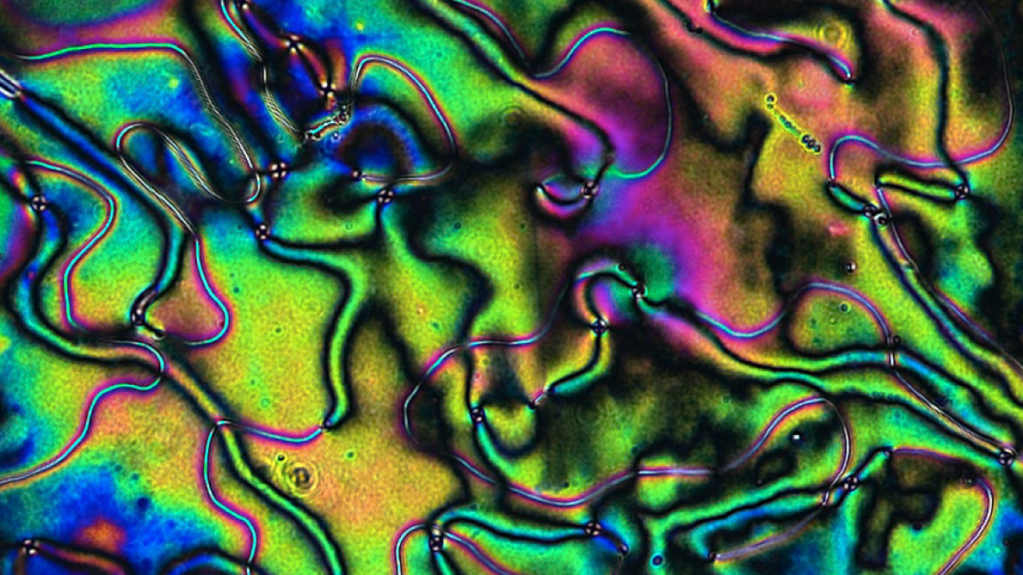
The Sponge That Drinks Air
Metal-organic frameworks are being engineered to pull drinking water from the atmosphere — even in places where it almost never rains. There’s water in the air right now. Not a lot, perhaps — but…
-
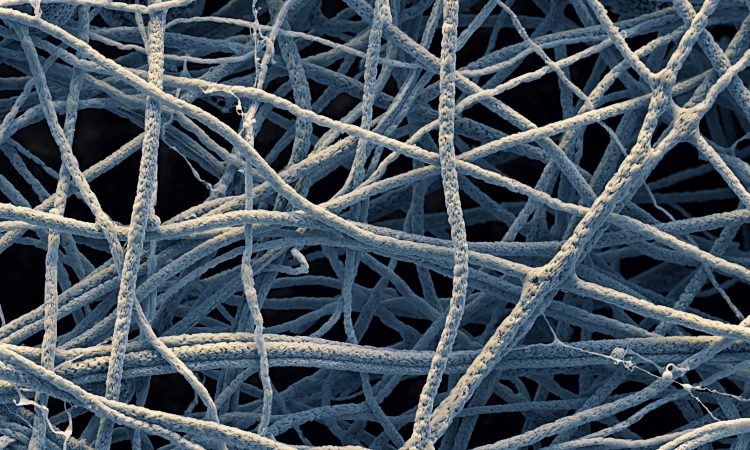
Wrapped in Graphene: The Tiny Fibres Making Biosensors Smarter
There’s a quiet corner of materials science where carbon fibres get dressed up in graphene, and the result is a biosensor that’s sharper, cheaper, and considerably more interesting than what came before it. This…
-
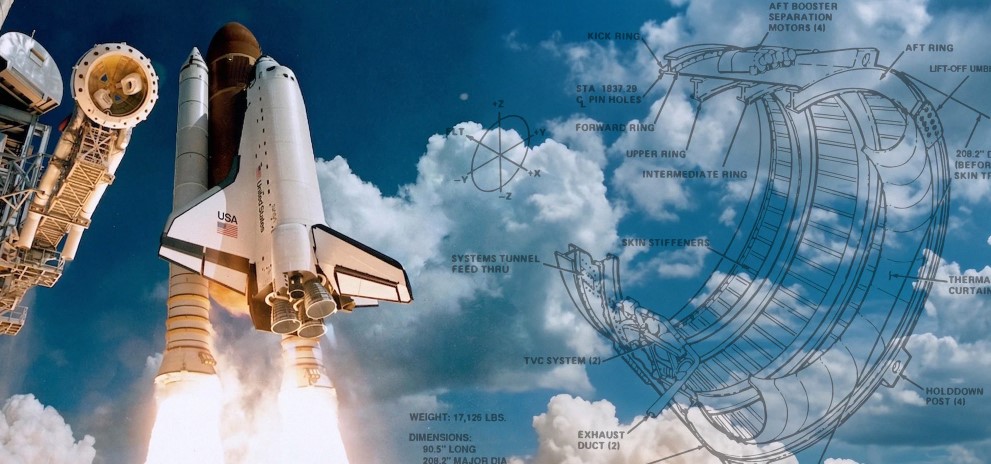
Space Shuttles that Inspired Drug Delivery: A New Chapter for Lipid Nanoparticles
If you’ve had a COVID-19 vaccine, you’ve already been on the receiving end of one of the more remarkable innovations in modern medicine: a lipid nanoparticle, or LNP. These tiny fat-based spheres are essentially…
-

Nanomedicine Is a Multi-Billion Dollar Industry
Market reports are not, traditionally, interesting reading. They are full of compound annual growth rates, projected valuations, and sentences like “the sector is poised for transformative expansion.” You’ve been warned — this post is…
-
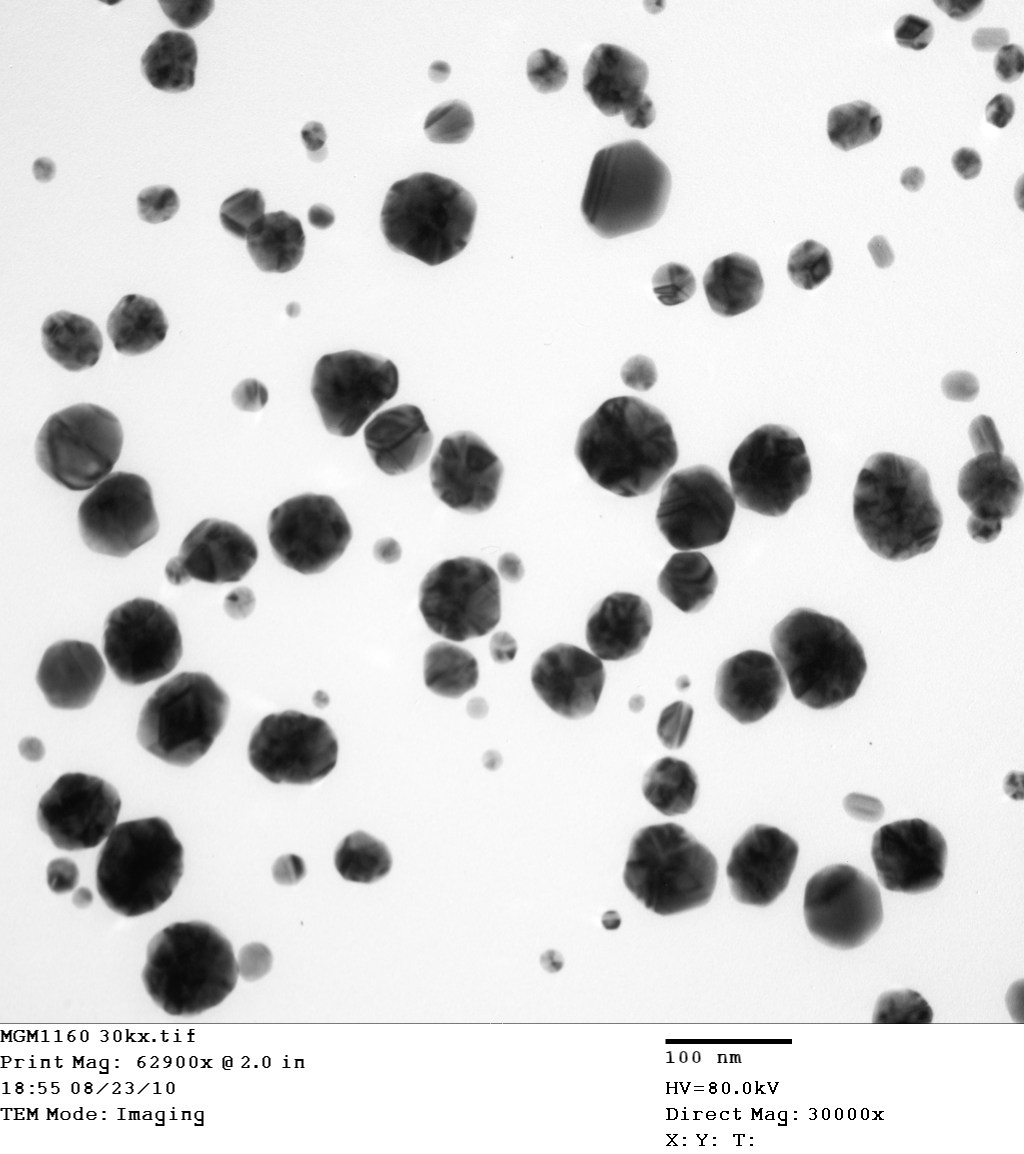
The Uncomfortable Question Nanomedicine Has to Answer
There is something quietly ironic about the fact that the same properties making nanoparticles so useful in medicine — their tiny size, enormous surface area, and ability to slip through biological barriers — are…

